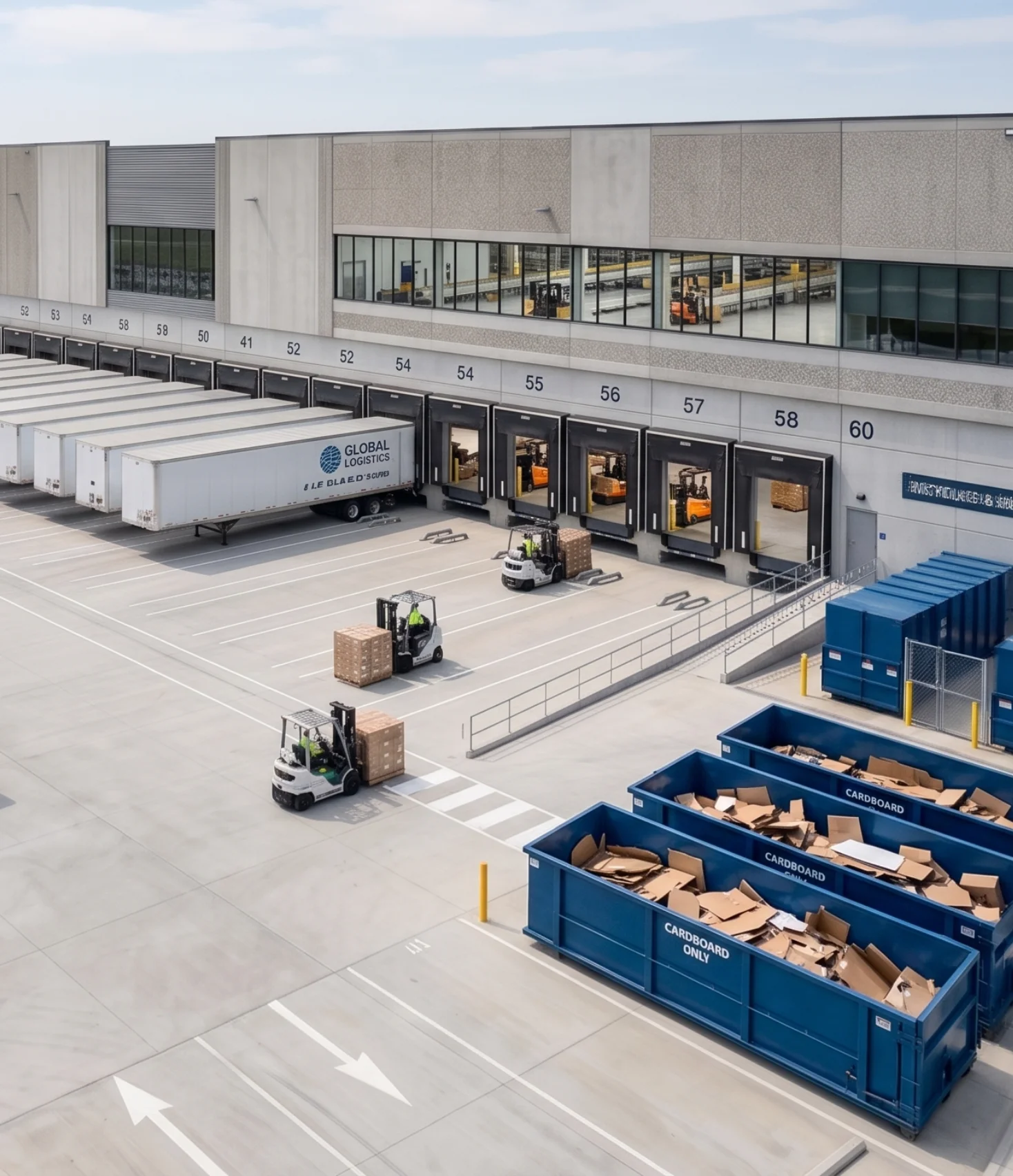
Quick Answer: E-commerce fulfillment operations drown in massive volumes of bulky, low-density cardboard, leading to severe loading dock bottlenecks and astronomical disposal costs. Utilizing a heavy-duty mobile roller compactor actively crushes these rigid boxes directly within open-top dumpsters, increasing container density by up to 500%. This aggressive mechanical intervention slashes the frequency of waste hauls, instantly clears valuable floor space, and frees dock personnel from the grueling, time-wasting task of manual box breakdown. The financial return is immediate, driven by minimized hauling fees and maximized labor efficiency.
The Physics of Corrugated Cardboard Overload in Fulfillment Centers
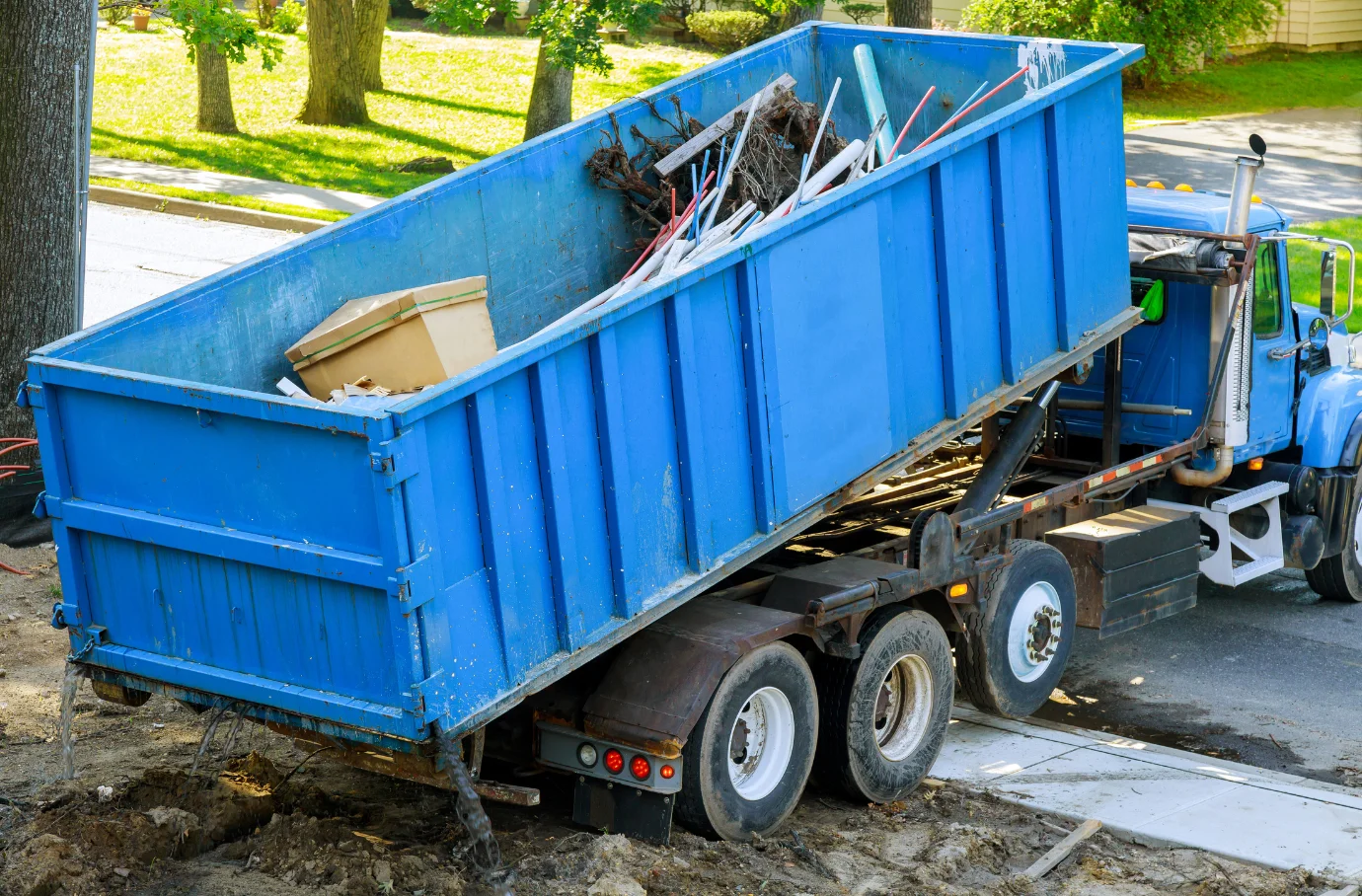
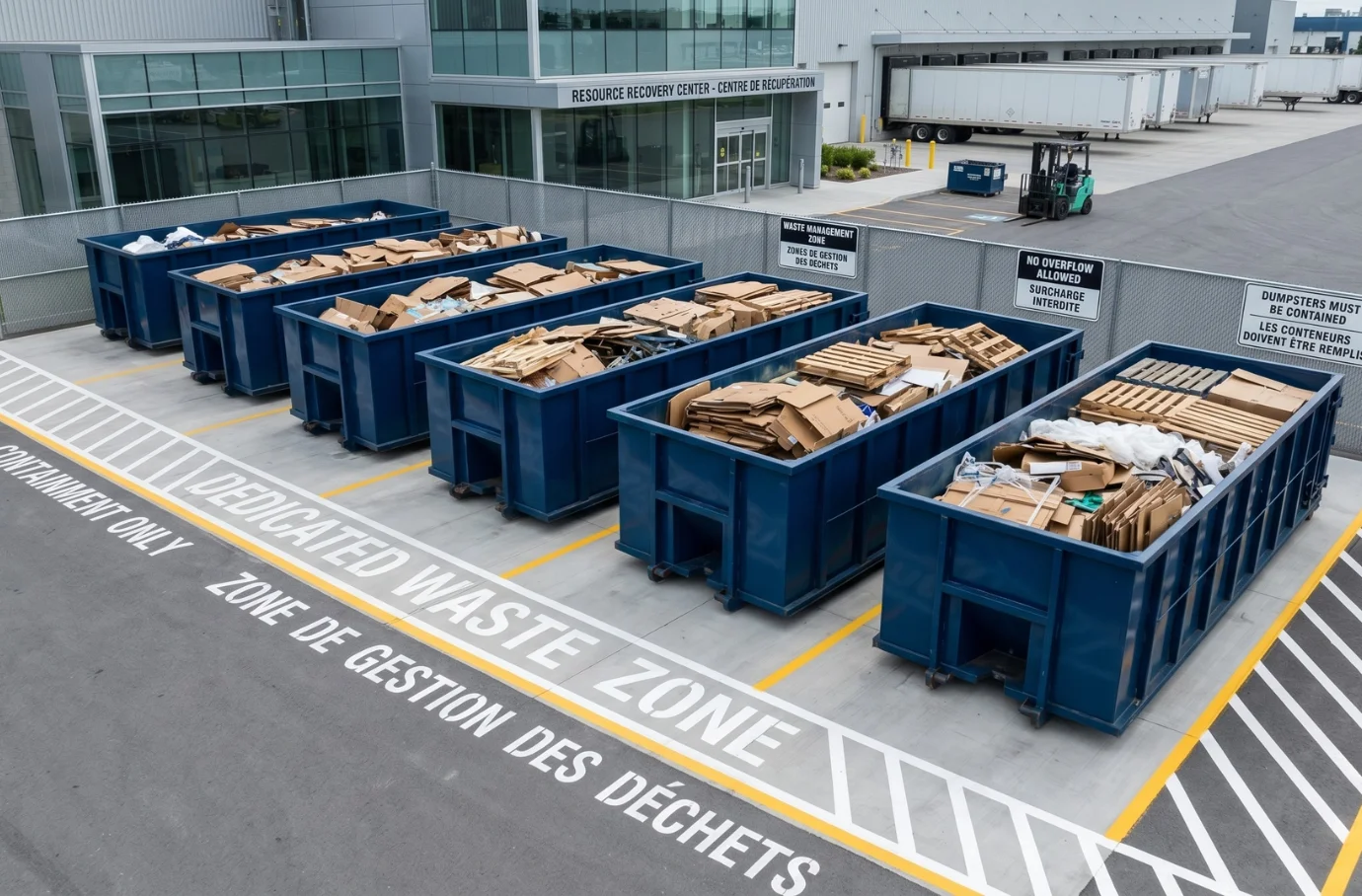
Modern e-commerce distribution centers operate at a relentless pace, processing thousands of inbound shipments and outbound packages daily. The primary byproduct of this massive logistical engine is corrugated cardboard. Inbound goods arrive in heavy transit boxes, which are unpacked, leaving mountains of bulky, air-filled waste. Because corrugated board is engineered for vertical stacking strength and structural rigidity, tossing unbroken boxes into an open-top dumpster means you are filling the container with 90% empty air. The dumpster physically maxes out its volume capacity while carrying only a fraction of its allowable weight limit.
Attempting to manage this through manual labor is a catastrophic drain on productivity. Asking warehouse staff to use box cutters to slice down heavy-duty, double-walled transit boxes is slow, physically exhausting, and incredibly dangerous. It leads to severe laceration risks and repetitive strain injuries. Even when manually flattened, the cardboard acts like a spring, expanding once tossed into the bin and quickly eating up valuable airspace. The facility is left paying premium rates to waste haulers to transport dumpsters that are fundamentally empty.
A heavy-duty mobile roller compactor applies uncompromising multi-ton force directly to the cardboard matrix. The heavy, spiked steel drum rolls over the piled boxes, instantly crushing the corrugated flutes and destroying the structural integrity of the material. The continuous back-and-forth rolling action presses the cardboard into flat, densely packed sheets at the bottom of the container. This mechanical destruction removes the material's ability to spring back, permanently locking in the volume reduction and turning a chaotic, overflowing pile into a tightly compressed, heavy block of recyclable material.
Financial Impact of Decimating Hauling Frequencies
The logistical cost of removing cardboard from a mega-warehouse is staggering when handled inefficiently. Every pull of a 40-yard roll-off dumpster incurs a high, fixed transportation fee, regardless of how much actual weight is inside. If a fast-paced e-commerce center fills a bin with uncrushed boxes in a single shift, they might require daily, or even twice-daily, pickups. This hyper-frequent hauling schedule destroys operational budgets, burning through tens of thousands of dollars annually in unnecessary transport surcharges, fuel costs, and environmental taxes.
By implementing targeted compaction, you fundamentally change the economic equation of your waste disposal. Compressing the cardboard with a roller compactor routinely yields a 4-to-1 or even 5-to-1 compaction ratio. This means a bin that previously required emptying five times a week now only needs to be hauled once. The immediate, hard-dollar savings on hauling fees are massive. Operations directors consistently see the capital expenditure of the mobile compactor offset entirely by the sheer reduction in hauler invoices within the first year of deployment.
Beyond the direct hauling costs, the labor savings are immense. When dock workers are freed from the grueling task of managing overflowing bins, breaking down boxes, or waiting for haulers to swap dumpsters, those high-value labor hours are redirected toward core fulfillment operations. Picking, packing, and shipping out revenue-generating products takes priority over wrestling with trash. This optimized labor allocation directly boosts the facility's overall throughput and profitability, proving that aggressive waste management is a critical pillar of a lean operational strategy.
Maintaining High-Velocity Operations on the Loading Dock
The loading dock is the beating heart of any e-commerce distribution center. Speed and space are the ultimate currencies. When cardboard waste backs up, it bleeds out from the dumpsters and encroaches onto the loading bays. This physical obstruction chokes forklift traffic, slows down the unloading of inbound trailers, and creates massive safety hazards. A cluttered dock destroys operational velocity. Every minute a truck waits because the bay is blocked by debris translates to missed delivery windows and broken service level agreements.
A mobile roller compactor guarantees that the docks remain completely clear. Instead of dragging materials to a slow, distant stationary baler inside the facility, which requires double-handling and consumes valuable interior floor space, the compactor operates directly at the exterior open-top bins. The heavy machinery drives up to the dumpster, crushes the accumulated cardboard in under a minute, and moves on. This rapid, on-demand processing ensures that the dumpsters never overflow, completely removing the bottleneck from the dock environment.
Picture peak season at a major fulfillment center, such as Black Friday or Cyber Monday. The volume of cardboard generated quadruples overnight. Uncompacted bins would cause the yard to grind to a halt within hours. With a Packmat mobile unit patrolling the exterior, the massive influx of waste is continuously crushed down. The yard remains fluid, inbound trailers are processed without delay, and the facility maintains its aggressive fulfillment targets without being suffocated by its own packaging waste.
Conclusion
E-commerce fulfillment centers cannot afford to treat cardboard disposal as an afterthought; it is a critical operational bottleneck that demands a heavy-duty, mechanical solution. Relying on manual breakdown and frequent hauls is a strategy guaranteed to bleed your budget and choke your loading docks. By deploying a mobile roller compactor, you bring overwhelming physical force to the problem, destroying the structural volume of the boxes and packing up to five times more material into every single dumpster.
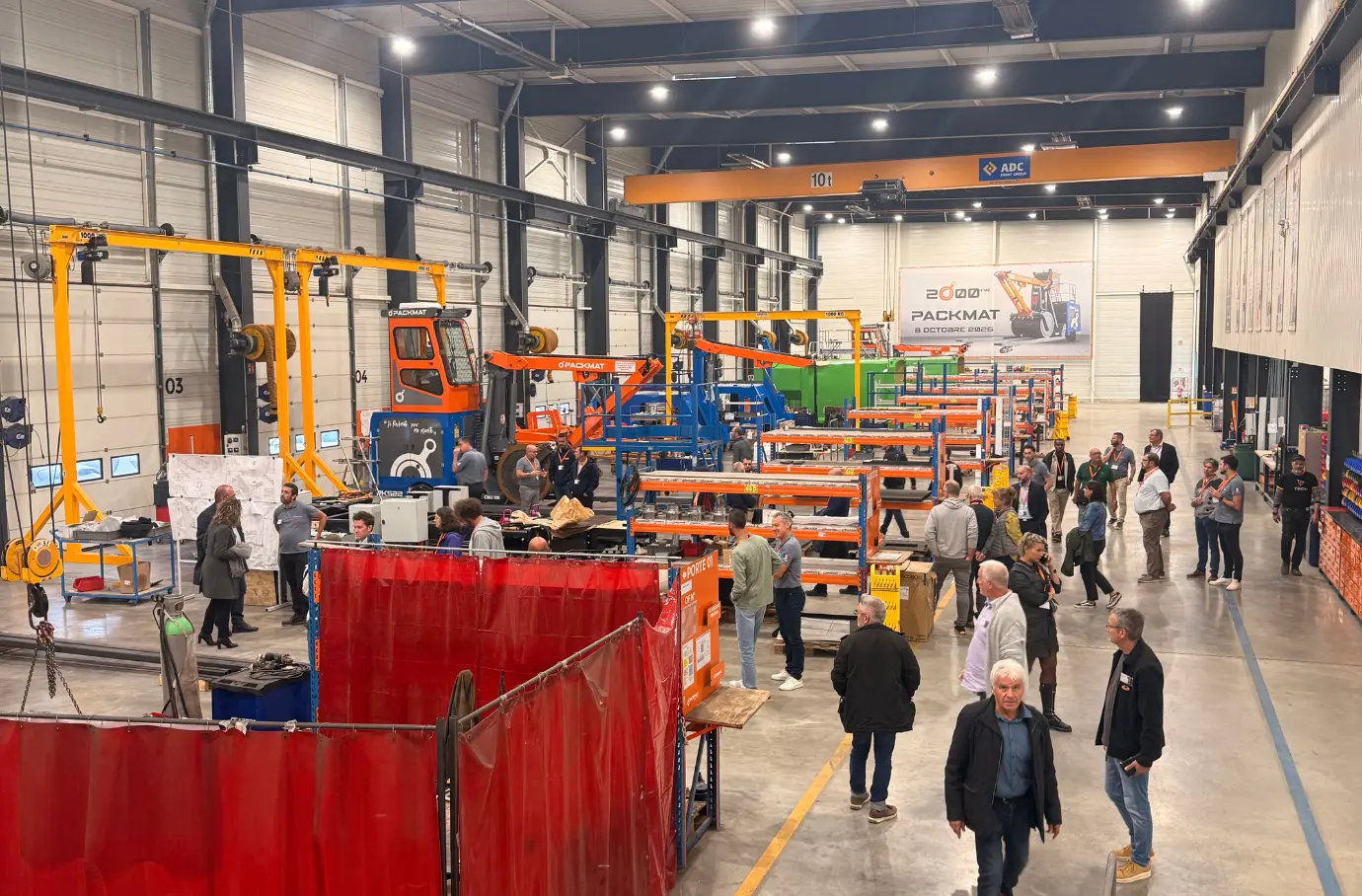
This aggressive compaction strategy instantly transforms your bottom line. You will slash your hauling invoices, reclaim thousands of lost labor hours, and ensure your loading bays remain fast, clean, and safe. Packmat’s industrial compaction machinery is built specifically for this high-velocity environment, giving logistics directors the power to dominate their waste streams and keep their operations running at maximum profitability, even during the most brutal peak seasons.
Industry References & Data
- Occupational Safety and Health Administration (OSHA): Highlights the severe laceration risks and ergonomic hazards associated with employees manually cutting and breaking down heavy corrugated cardboard.
- Environmental Protection Agency (EPA): Promotes the efficient dense packing and recycling of corrugated materials to reduce greenhouse gas emissions tied to excessive waste transportation.
- Department of Transportation (DOT): Regulates commercial vehicle load efficiencies, encouraging the transport of maximized, dense payload weights rather than high-volume, low-weight trips.
Frequently Asked Questions
Q: Is a mobile roller compactor faster than using a traditional indoor cardboard baler?
A: Absolutely. Traditional balers require staff to manually feed individual boxes into a small chamber, wait for a slow hydraulic press cycle, and then manually tie off and extract the bale. It is incredibly labor-intensive and slow. A mobile roller compactor operates directly in the massive open-top dumpster. Workers simply throw unbroken boxes into the bin via forklift or conveyor. The compactor drives up, its massive steel drum rolls over the entire load, and crushes tons of cardboard simultaneously in seconds. It completely eliminates the manual feeding and tying, resulting in a drastically faster, high-throughput waste process.
Q: Does crushing the cardboard impact its recyclability or value to haulers?
A: No, crushing cardboard with a roller compactor does not negatively impact its recycling value. In fact, recycling facilities and haulers heavily prefer dense, compacted loads. An uncrushed bin full of air is highly inefficient for a recycling plant to process. By providing tightly compressed, high-tonnage dumpsters, you reduce the number of trucks they need to send, making your account significantly more profitable and attractive to hauling partners. The flattened corrugated fibers are perfectly intact for the repulping and recycling process.
Q: How does mobile compaction handle the mix of plastics and tape found on e-commerce boxes?
A: E-commerce packaging is rarely pure cardboard; it is heavily mixed with packing tape, plastic mailers, and stretch wrap. A Packmat mobile compactor handles this mixed waste effortlessly. The multi-ton downforce of the steel drum crushes everything indiscriminately. Unlike sensitive indoor balers that can jam or require strict sorting, the brute force of the open-top compactor presses the plastics and cardboard together into a dense mat. This ensures volume reduction is achieved without requiring your staff to waste hours meticulously separating tape and wrap from the boxes.
Easy steps to create a color palette
Lorem ipsum dolor sit amet, consectetur adipiscing elit lobortis arcu enim urna adipiscing praesent velit viverra sit semper lorem eu cursus vel hendrerit elementum morbi curabitur etiam nibh justo, lorem aliquet donec sed sit mi dignissim at ante massa mattis.
- Neque sodales ut etiam sit amet nisl purus non tellus orci ac auctor
- Adipiscing elit ut aliquam purus sit amet viverra suspendisse potent
- Mauris commodo quis imperdiet massa tincidunt nunc pulvinar
- Excepteur sint occaecat cupidatat non proident sunt in culpa qui officia
What is a color palette?
Vitae congue eu consequat ac felis placerat vestibulum lectus mauris ultrices cursus sit amet dictum sit amet justo donec enim diam porttitor lacus luctus accumsan tortor posuere praesent tristique magna sit amet purus gravida quis blandit turpis.
Don’t overspend on growth marketing without good retention rates
At risus viverra adipiscing at in tellus integer feugiat nisl pretium fusce id velit ut tortor sagittis orci a scelerisque purus semper eget at lectus urna duis convallis porta nibh venenatis cras sed felis eget neque laoreet suspendisse interdum consectetur libero id faucibus nisl donec pretium vulputate sapien nec sagittis aliquam nunc lobortis mattis aliquam faucibus purus in.
- Neque sodales ut etiam sit amet nisl purus non tellus orci ac auctor
- Adipiscing elit ut aliquam purus sit amet viverra suspendisse potenti
- Mauris commodo quis imperdiet massa tincidunt nunc pulvinar
- Adipiscing elit ut aliquam purus sit amet viverra suspendisse potenti
What’s the ideal customer retention rate?
Nisi quis eleifend quam adipiscing vitae aliquet bibendum enim facilisis gravida neque euismod in pellentesque massa placerat volutpat lacus laoreet non curabitur gravida odio aenean sed adipiscing diam donec adipiscing tristique risus amet est placerat in egestas erat.
“Lorem ipsum dolor sit amet consectetur adipiscing elit, sed do eiusmod tempor incididunt ut labore et dolore magna aliqua enim ad minim veniam.”
Next steps to increase your customer retention
Eget lorem dolor sed viverra ipsum nunc aliquet bibendum felis donec et odio pellentesque diam volutpat commodo sed egestas aliquam sem fringilla ut morbi tincidunt augue interdum velit euismod eu tincidunt tortor aliquam nulla facilisi aenean sed adipiscing diam donec adipiscing ut lectus arcu bibendum at varius vel pharetra nibh venenatis cras sed felis eget.

Antoine Galdès
For over 10 years, I’ve worked in marketing with a strong focus on cleantech innovation and the evolving challenges shaping the waste and compaction industry. I’m passionate about staying ahead of industry trends, continuously learning, and sharing practical insights that help businesses and municipalities improve their operations more efficiently and sustainably.
.webp)
