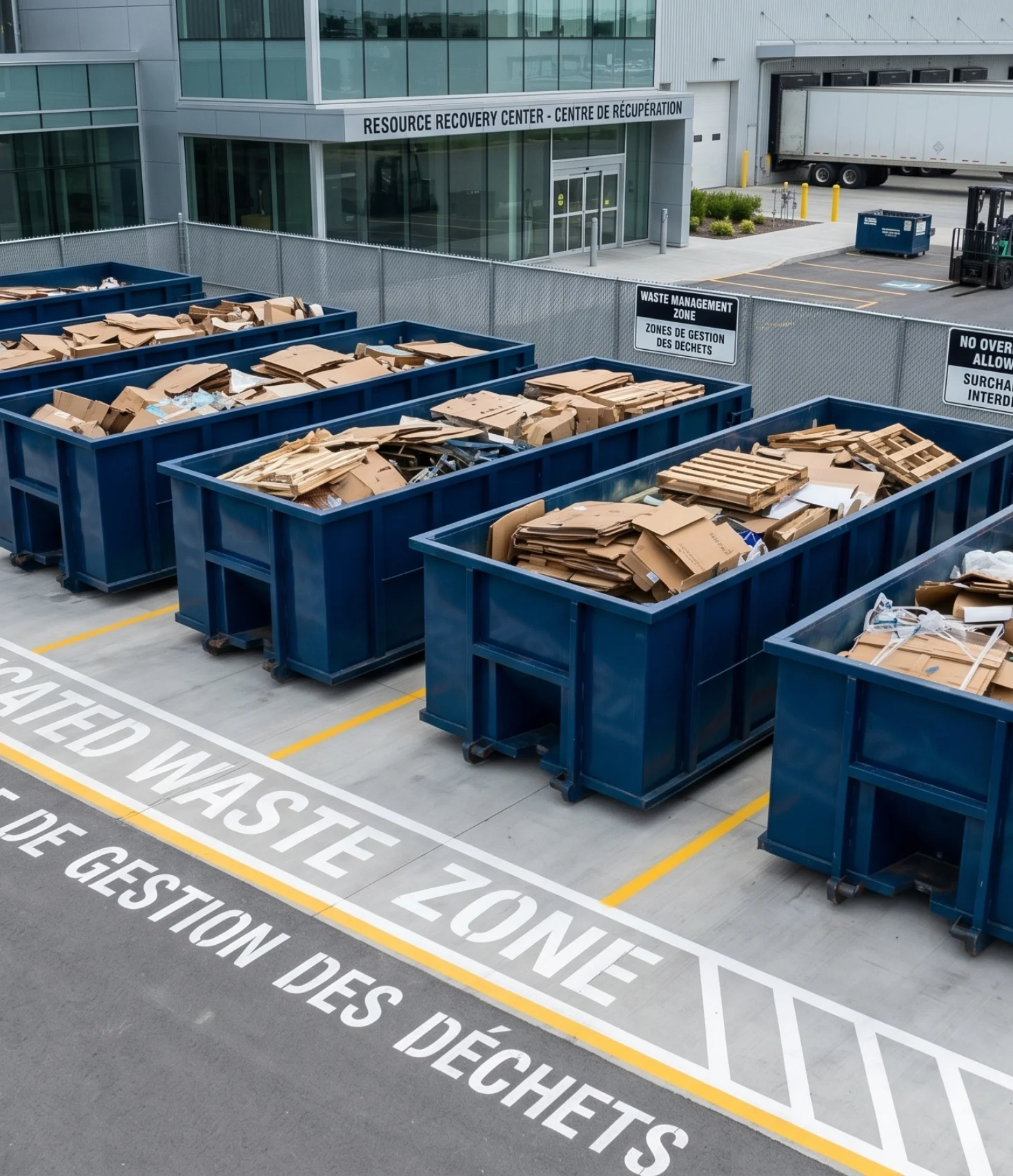
Quick Answer: Compacting loose, flammable industrial waste, like broken pallets and dry corrugated cardboard, drastically reduces the available oxygen within the material matrix, directly disrupting the combustion triangle. By utilizing a heavy-duty mobile compactor, facilities eliminate towering piles of aerated kindling, replacing them with a dense, flat, and highly flame-retardant layer at the bottom of an open-top dumpster. This aggressive volume reduction not only minimizes the surface area exposed to ignition sources but also locks down the yard, preventing catastrophic fire events, ensuring continuous production, and protecting your corporate insurance premiums from high-risk surcharges.
The Combustion Triangle in Loose Waste Scraps
Understanding industrial fire hazards begins with the fundamental physics of the combustion triangle: fuel, oxygen, and heat. In a busy manufacturing plant or logistics hub, open-top dumpsters act as massive repositories for high-grade fuel. Corrugated cardboard, splintered wooden shipping pallets, packing paper, and plastic wrapping are inherently highly combustible materials. When these items are tossed into a bin without being mechanically processed, they stack irregularly. This chaotic accumulation creates massive air pockets, voids that provide an unlimited supply of oxygen directly into the center of the fuel source. You are effectively building a two-story bonfire just waiting for an ignition source.
The operational environment of an industrial yard provides countless, often unavoidable, heat sources. Forklifts driving in tight proximity to dumpsters emit hot exhaust gases and occasionally drop heated metal flakes from failing brake pads. Maintenance crews operating angle grinders or welding equipment nearby throw high-temperature sparks across the tarmac. Even natural occurrences, such as the intense magnification of sunlight through a discarded glass bottle resting on top of dry cardboard, can generate enough thermal energy to ignite a loosely packed bin. When the fuel is aerated, the transition from a tiny smolder to a raging inferno happens in a matter of minutes.
Once a fire takes hold in an uncompacted, overflowing dumpster, the flames utilize the structural voids like chimneys, drawing in fresh air and rapidly accelerating the combustion rate. The radiant heat output is immense, quickly threatening adjacent structures, parked trailers, and the facility's main building envelope. The fire department’s response, while necessary, introduces thousands of gallons of high-pressure water, creating a secondary disaster of toxic runoff that floods the yard. Preventing this chain reaction requires eliminating the environmental conditions that allow the fire to breathe in the first place.
Relying on manual labor to break down this fuel is entirely insufficient. Workers cannot safely compress jagged wood and thick cardboard tightly enough to eliminate the oxygen voids. Furthermore, as the bin fills up, the material inevitably crests over the rim, exposing maximum surface area to passing sparks and ambient heat. The only scientifically sound method to neutralize this specific fire hazard is to apply overwhelming mechanical force to alter the physical state of the waste, destroying the aeration that makes it so dangerous.
Mechanically Removing Oxygen from the Fuel Matrix
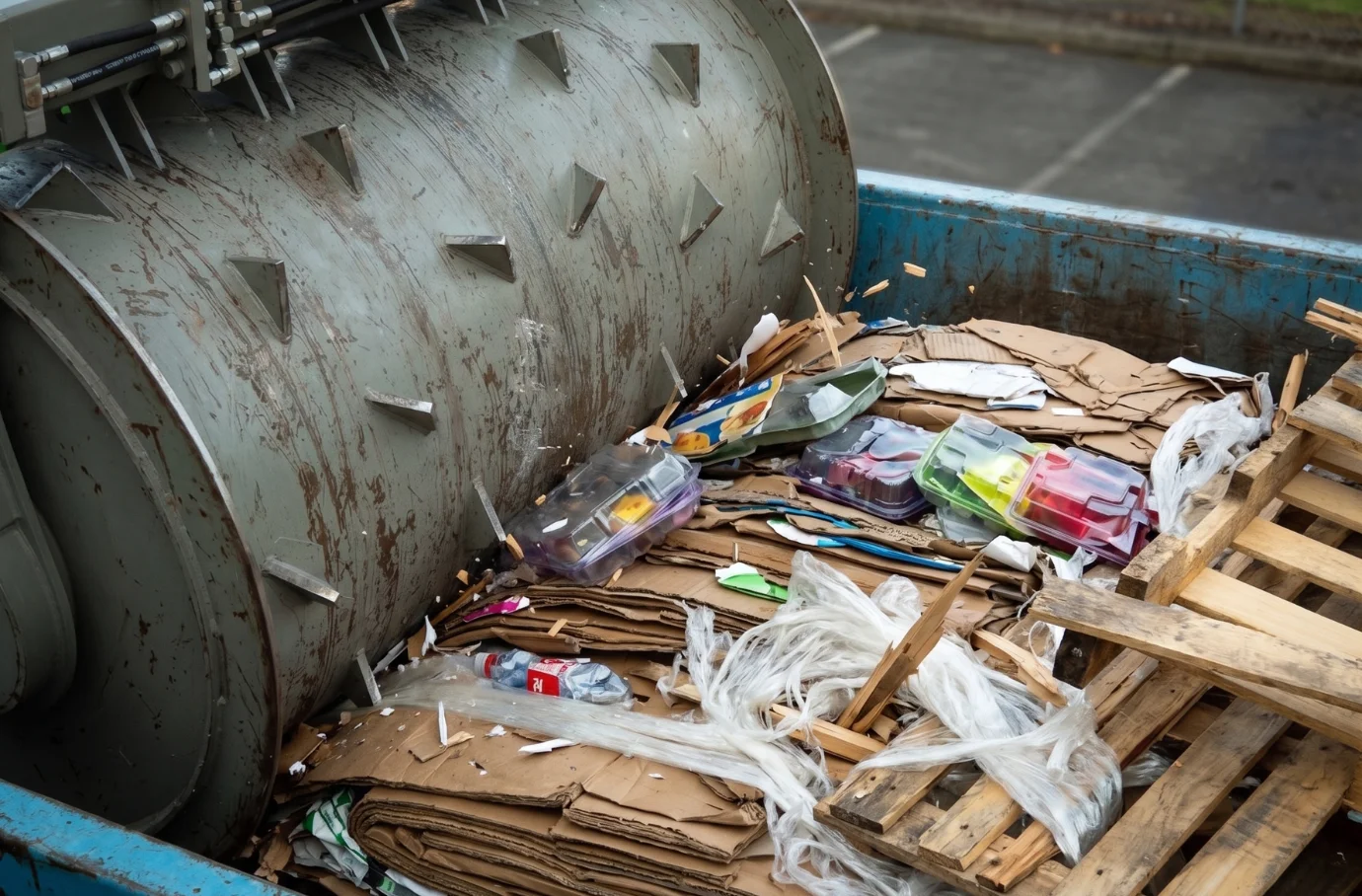
Mobile roller compactors bring brutal mechanical efficiency to the science of fire prevention. These heavy-duty machines utilize a multi-ton steel drum equipped with aggressive crushing ribs. As the machine drives the boom arm back and forth over the waste, the drum applies massive localized pressure. This pressure shatters the rigid structure of wooden pallets and permanently flattens corrugated boxes. More importantly, it violently forces the empty air out of the bin. By crushing the materials into a highly dense, interlocking mat, the compactor effectively starves the potential fire of its oxygen supply.
The difference in flammability between loose wood splinters and a densely compressed block of lumber is staggering. If a spark lands on an uncompacted pile of dry cardboard, it immediately catches the thin edges, fanned by the ambient air flow. If that same spark lands on a compacted, flat surface, it has no edges to grip and no oxygen flowing beneath it to feed the reaction. It typically smolders for a few seconds and burns itself out. You have fundamentally downgraded the flammability rating of your waste stream simply by changing its physical density.
Furthermore, compaction pushes the overall height of the waste load deep below the rim of the steel container. An overflowing dumpster acts like a sail, catching embers carried by the wind from miles away, a particularly severe threat during dry, high-wind seasons in wildfire-prone regions. By keeping the waste suppressed at the bottom of the bin, the high steel walls of the dumpster act as an impenetrable firebreak. It completely shields the combustible material from horizontal spark trajectories and ground-level ignition sources.
This deep containment also facilitates the easy application of heavy-duty, fire-retardant tarps or hard metal covers at the end of the operational shift. When the waste is physically unable to crest the rim, sealing the container becomes a one-minute task for the yard crew. A sealed, compacted bin is practically immune to external ignition. This proactive mechanical intervention transforms the dumpster from a highly volatile liability into a secure, inert steel vault, drastically elevating the safety profile of the entire facility.
Protecting Operational Continuity and Insurance Premiums
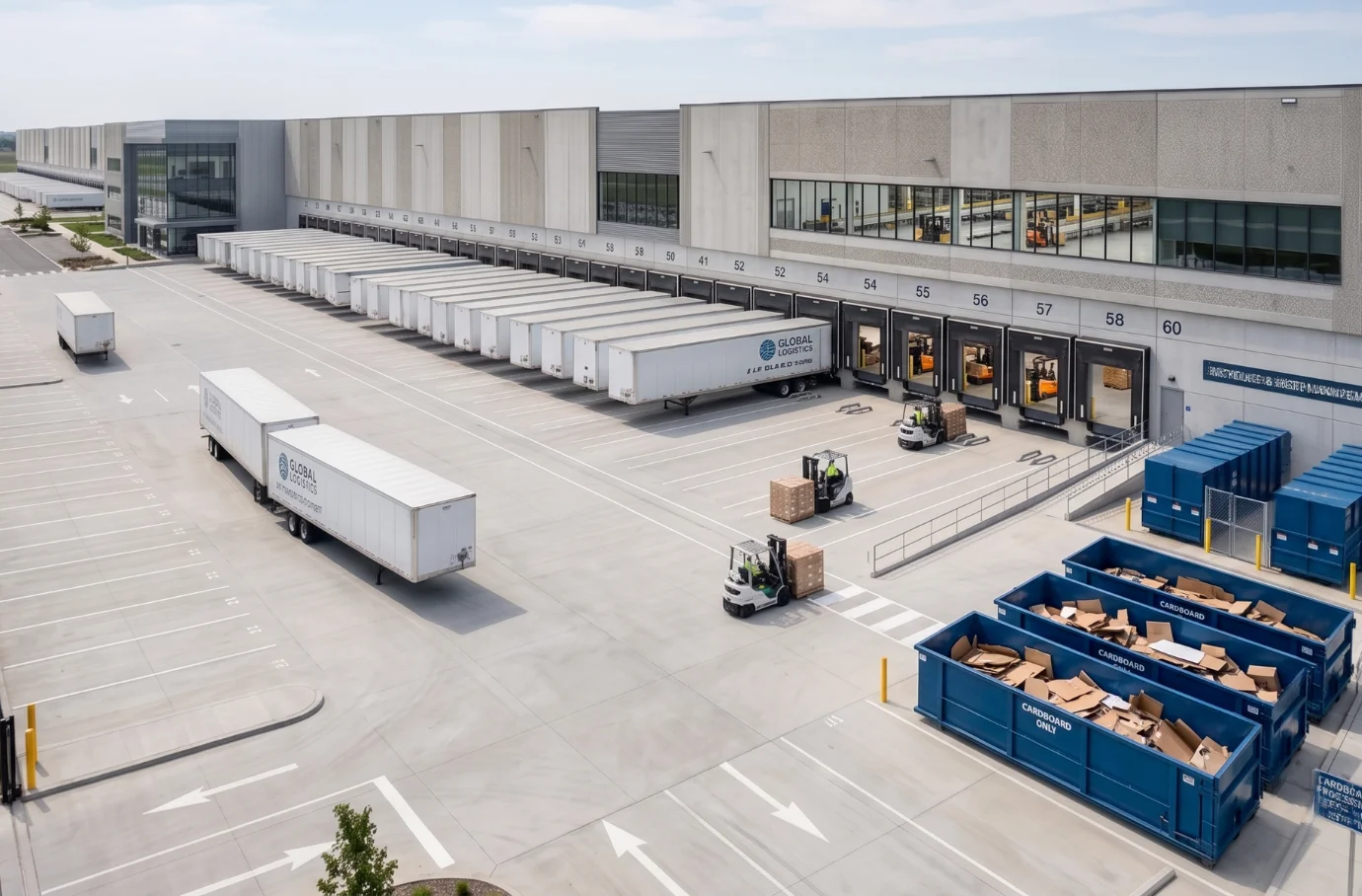
An industrial yard fire is an operational catastrophe that extends far beyond the immediate loss of a steel dumpster. If an open-top container catches fire near a loading dock, the entire facility must be evacuated immediately according to standard safety protocols. Production lines halt, inbound freight is diverted, and order fulfillment ceases. The cost of this unplanned downtime can reach hundreds of thousands of dollars per hour in a major manufacturing or e-commerce distribution center. The smoke damage alone can ruin sensitive inventory housed just inside the bay doors.
Corporate risk management teams and commercial insurance underwriters are acutely aware of these dynamics. When inspectors evaluate an industrial site for policy renewal, they scrutinize the exterior waste management protocols. Overflowing dumpsters situated close to building walls are flagged as severe, high-risk fire hazards. This leads to mandatory, expensive policy riders, massive hikes in annual premiums, or, in severe cases, the outright cancellation of fire insurance coverage until the hazard is permanently rectified.
Investing in a mobile roller compactor is an aggressive risk mitigation strategy that pays for itself through avoided penalties and stabilized insurance rates. When underwriters see a facility actively utilizing heavy machinery to crush fuel sources, maintain clear perimeters, and keep waste deeply contained within steel walls, the risk profile of the site drops dramatically. You provide hard, undeniable proof that your operation takes preventative safety seriously, turning a potential audit failure into a documented best practice.
Ultimately, a fire in the yard destroys operational momentum and fractures trust with local authorities. Relying on luck or the fire department's response time is not a valid industrial strategy. By integrating daily compaction routines into your waste management workflow, you take absolute control over the physical state of your combustible byproducts. You protect your workforce, safeguard your facility's physical assets, and ensure that your production lines keep moving without the looming threat of a catastrophic yard fire.
Conclusion
The accumulation of uncompacted, combustible waste in open-top dumpsters is an unacceptable operational risk. It provides the perfect combination of high-grade fuel and endless oxygen, requiring only a single spark to trigger a massive fire event. As a facility manager, you cannot eliminate all heat sources from a busy industrial yard, but you can absolutely destroy the physical conditions that allow a fire to thrive. Heavy-duty mobile compaction is the definitive tool for this job, crushing the voids, starving the fuel of oxygen, and trapping the material safely behind tall steel walls.
Packmat’s mobile compactors deliver the devastating physical force required to neutralize this threat instantly. By rendering your waste streams dense, flat, and contained, you shield your facility from catastrophic downtime, protect your expensive inventory, and negotiate from a position of strength with your commercial insurance providers. Implementing aggressive volume reduction is not just a logistical upgrade; it is a fundamental pillar of a highly secure, defensively managed industrial operation.
Industry References & Data
- National Fire Protection Association (NFPA): Establishes strict codes (such as NFPA 1) regarding the accumulation of combustible waste materials and the required clearance distances from commercial structures to prevent fire spread.
- Occupational Safety and Health Administration (OSHA): Mandates that employers keep workplaces clear of combustible scrap and debris to prevent rapid fire acceleration and ensure safe egress for personnel.
- Environmental Protection Agency (EPA): Highlights the severe environmental damage and toxic atmospheric emissions caused by uncontrolled industrial dumpster fires involving mixed plastics and treated woods.
Frequently Asked Questions
Q: Does compacting waste increase the risk of spontaneous combustion?
A: Spontaneous combustion typically occurs in specific materials, such as oil-soaked rags or massive piles of damp organic compost, where biological or chemical decomposition generates internal heat that cannot escape. For standard dry industrial waste like cardboard, rigid plastics, and wooden pallets, compaction actually decreases fire risk. By crushing the material into a dense block, you eliminate the oxygen required for both chemical oxidation and actual combustion. Without air flow through the material, the required heat cannot build up or sustain a flame, making the compacted mass significantly safer than a loose pile.
Q: How close can an open-top dumpster be to the facility building?
A: Local fire codes, heavily influenced by NFPA guidelines, usually dictate that dumpsters containing combustible materials must be placed a minimum of 15 feet away from combustible walls, windows, and roof eave lines. However, if a dumpster is constantly overflowing, inspectors may mandate even greater distances or demand expensive fire-rated enclosures. By using a mobile compactor to ensure the waste is always kept well below the rim and firmly covered, you easily maintain compliance with these clearance zones and prevent the radiant heat of a potential fire from ever threatening the building envelope.
Q: Can the compactor itself be a source of ignition in the yard?
A: Industrial machinery must be maintained to operate safely. While any engine produces heat, Packmat mobile compactors are engineered specifically for harsh, debris-heavy environments. They feature robust shielding around exhaust systems and high-grade hydraulic lines to prevent leaks. More importantly, the action of the heavy steel drum crushing the waste is a cold mechanical process; it does not generate the high-speed friction or sparks associated with industrial shredders or grinders. When operated properly, the machine safely pacifies the waste without introducing new ignition risks to the dumpster.
Easy steps to create a color palette
Lorem ipsum dolor sit amet, consectetur adipiscing elit lobortis arcu enim urna adipiscing praesent velit viverra sit semper lorem eu cursus vel hendrerit elementum morbi curabitur etiam nibh justo, lorem aliquet donec sed sit mi dignissim at ante massa mattis.
- Neque sodales ut etiam sit amet nisl purus non tellus orci ac auctor
- Adipiscing elit ut aliquam purus sit amet viverra suspendisse potent
- Mauris commodo quis imperdiet massa tincidunt nunc pulvinar
- Excepteur sint occaecat cupidatat non proident sunt in culpa qui officia
What is a color palette?
Vitae congue eu consequat ac felis placerat vestibulum lectus mauris ultrices cursus sit amet dictum sit amet justo donec enim diam porttitor lacus luctus accumsan tortor posuere praesent tristique magna sit amet purus gravida quis blandit turpis.
Don’t overspend on growth marketing without good retention rates
At risus viverra adipiscing at in tellus integer feugiat nisl pretium fusce id velit ut tortor sagittis orci a scelerisque purus semper eget at lectus urna duis convallis porta nibh venenatis cras sed felis eget neque laoreet suspendisse interdum consectetur libero id faucibus nisl donec pretium vulputate sapien nec sagittis aliquam nunc lobortis mattis aliquam faucibus purus in.
- Neque sodales ut etiam sit amet nisl purus non tellus orci ac auctor
- Adipiscing elit ut aliquam purus sit amet viverra suspendisse potenti
- Mauris commodo quis imperdiet massa tincidunt nunc pulvinar
- Adipiscing elit ut aliquam purus sit amet viverra suspendisse potenti
What’s the ideal customer retention rate?
Nisi quis eleifend quam adipiscing vitae aliquet bibendum enim facilisis gravida neque euismod in pellentesque massa placerat volutpat lacus laoreet non curabitur gravida odio aenean sed adipiscing diam donec adipiscing tristique risus amet est placerat in egestas erat.
“Lorem ipsum dolor sit amet consectetur adipiscing elit, sed do eiusmod tempor incididunt ut labore et dolore magna aliqua enim ad minim veniam.”
Next steps to increase your customer retention
Eget lorem dolor sed viverra ipsum nunc aliquet bibendum felis donec et odio pellentesque diam volutpat commodo sed egestas aliquam sem fringilla ut morbi tincidunt augue interdum velit euismod eu tincidunt tortor aliquam nulla facilisi aenean sed adipiscing diam donec adipiscing ut lectus arcu bibendum at varius vel pharetra nibh venenatis cras sed felis eget.

Antoine Galdès
For over 10 years, I’ve worked in marketing with a strong focus on cleantech innovation and the evolving challenges shaping the waste and compaction industry. I’m passionate about staying ahead of industry trends, continuously learning, and sharing practical insights that help businesses and municipalities improve their operations more efficiently and sustainably.
.webp)
