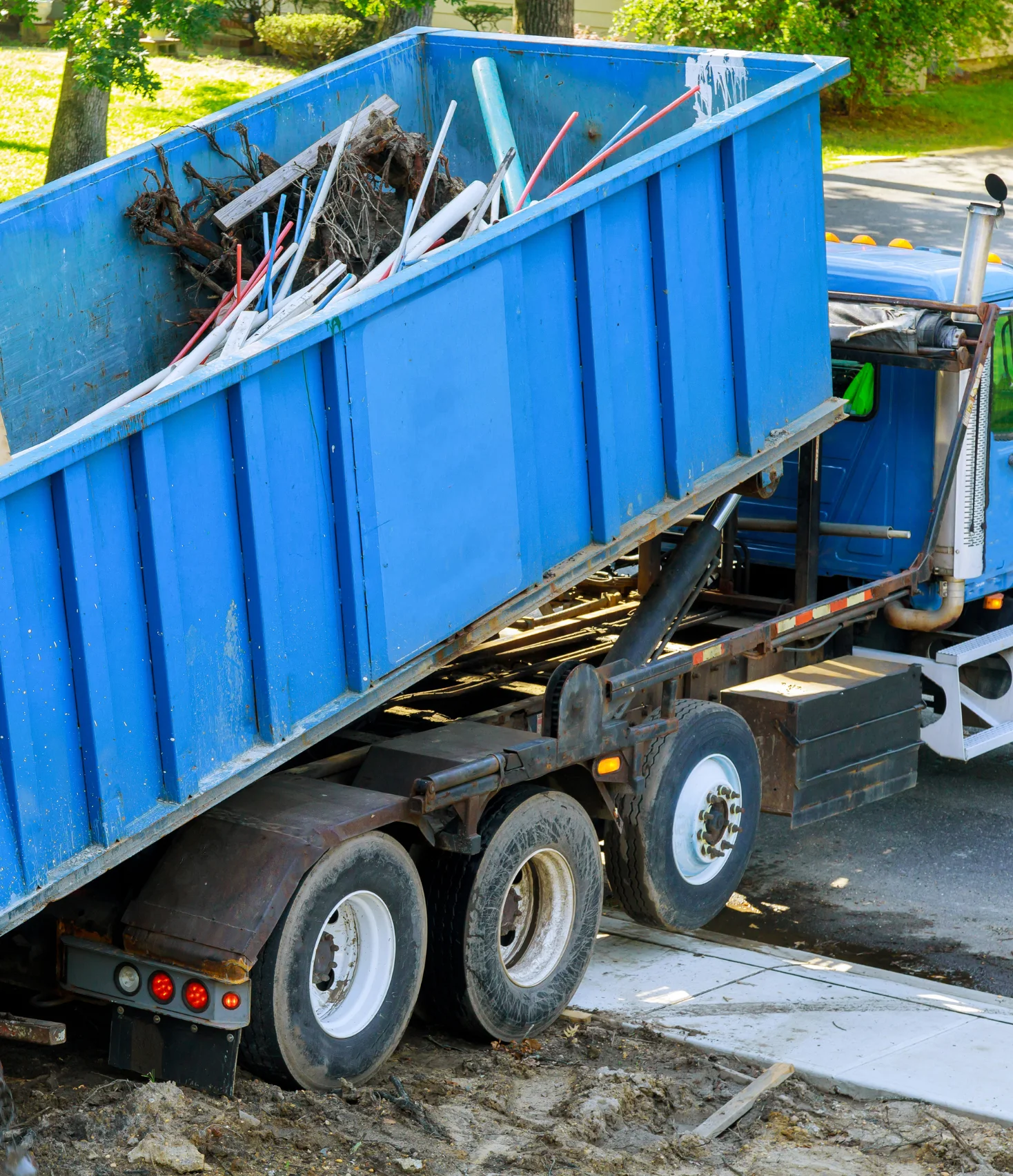
Quick Answer: Shipping open-top dumpsters filled with uncompacted waste forces your facility to pay maximum transportation fees for minimal payload, bleeding your logistics budget dry. By deploying a heavy-duty mobile roller compactor, you crush the structural voids out of the waste, aggressively packing the container to its optimal, legal Department of Transportation (DOT) highway weight limit. This strategic volume reduction slashes hauling frequencies by up to 80%, maximizes the financial efficiency of every single truck pull, and turns your waste disposal operation into a highly optimized, cost-controlled logistical workflow.
The Mathematical Inefficiency of Uncompacted Hauls
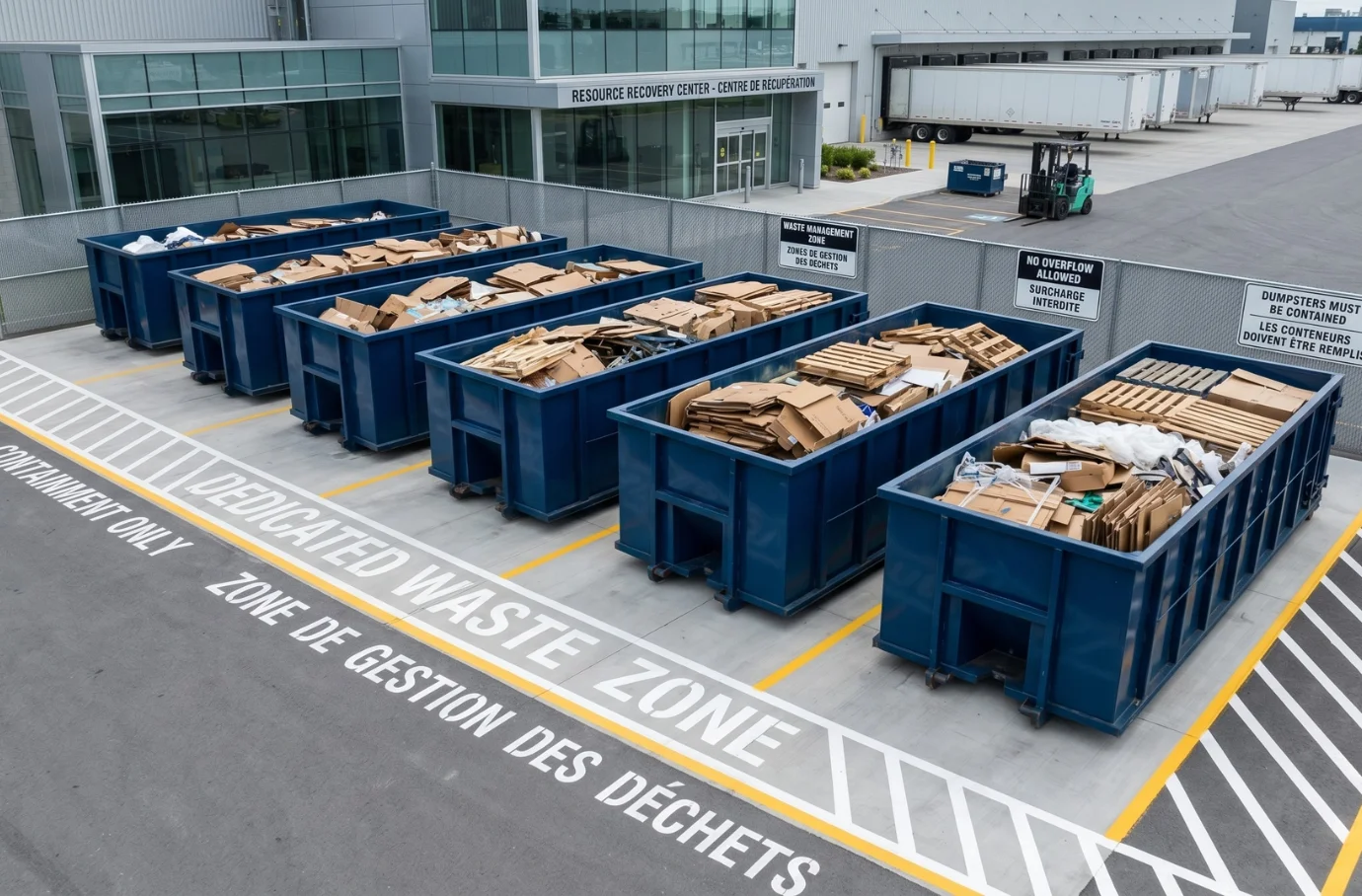
The economics of industrial waste management are fundamentally governed by space and weight. When you contract a waste hauling company to pull a 40-yard roll-off container, you are typically charged a high fixed fee for the transportation (the "pull" charge) plus a variable fee based on the weight of the material (the tipping fee). Uncompacted industrial waste, such as corrugated cardboard, wooden pallets, and plastic packaging, is incredibly bulky. It fills the cubic volume of the 40-yard container long before it comes anywhere near the legal weight limit the truck is permitted to carry on public highways.
This creates a massive mathematical inefficiency. A standard roll-off truck can legally and safely haul roughly 10 to 12 tons of payload. However, a 40-yard bin filled with loose, uncrushed pallets and boxes might only weigh 2 to 3 tons when it visually crests the rim. Because the bin is physically full, your yard staff is forced to call for a pickup. You end up paying the full transportation fee to move a container that is operating at only 25% of its structural and legal weight capacity. You are effectively burning your operational budget by paying heavy-duty diesel trucks to transport empty air.
To put this into operational perspective, imagine a high-volume manufacturing plant generating enough bulky waste to require four pickups per week. Because the loads are light and airy, the haulers run constantly. Over a month, the facility pays for 16 individual truck pulls. If the logistics director analyzed the actual tonnage of those 16 pulls, they would realize it could easily have fit into just 4 pulls if the material had been properly densified. The financial hemorrhage is completely hidden within the routine "cost of doing business," silently destroying the facility’s bottom line.
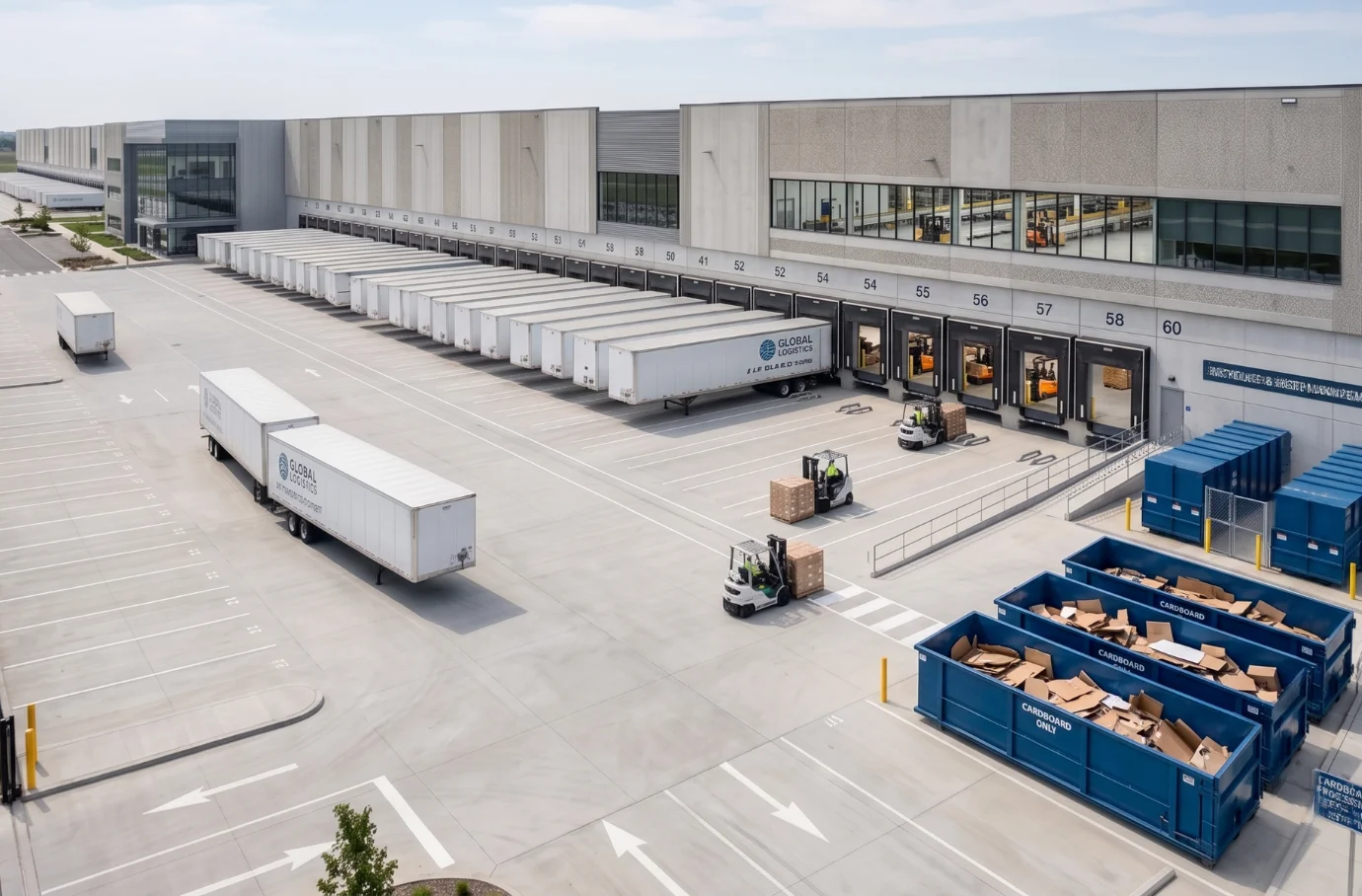
To break this cycle, management must fundamentally change how they view the dumpster. It is not merely a trash can; it is a shipping container. Just as your outbound freight logistics team works tirelessly to maximize the payload density of outgoing product trailers, your waste management protocol must maximize the density of the outgoing refuse. Achieving this requires the application of overwhelming mechanical force at the point of origin, ensuring that every cubic inch of the steel bin is packed tight before the hauler is ever called.
Reaching DOT Weight Limits Without Overloading
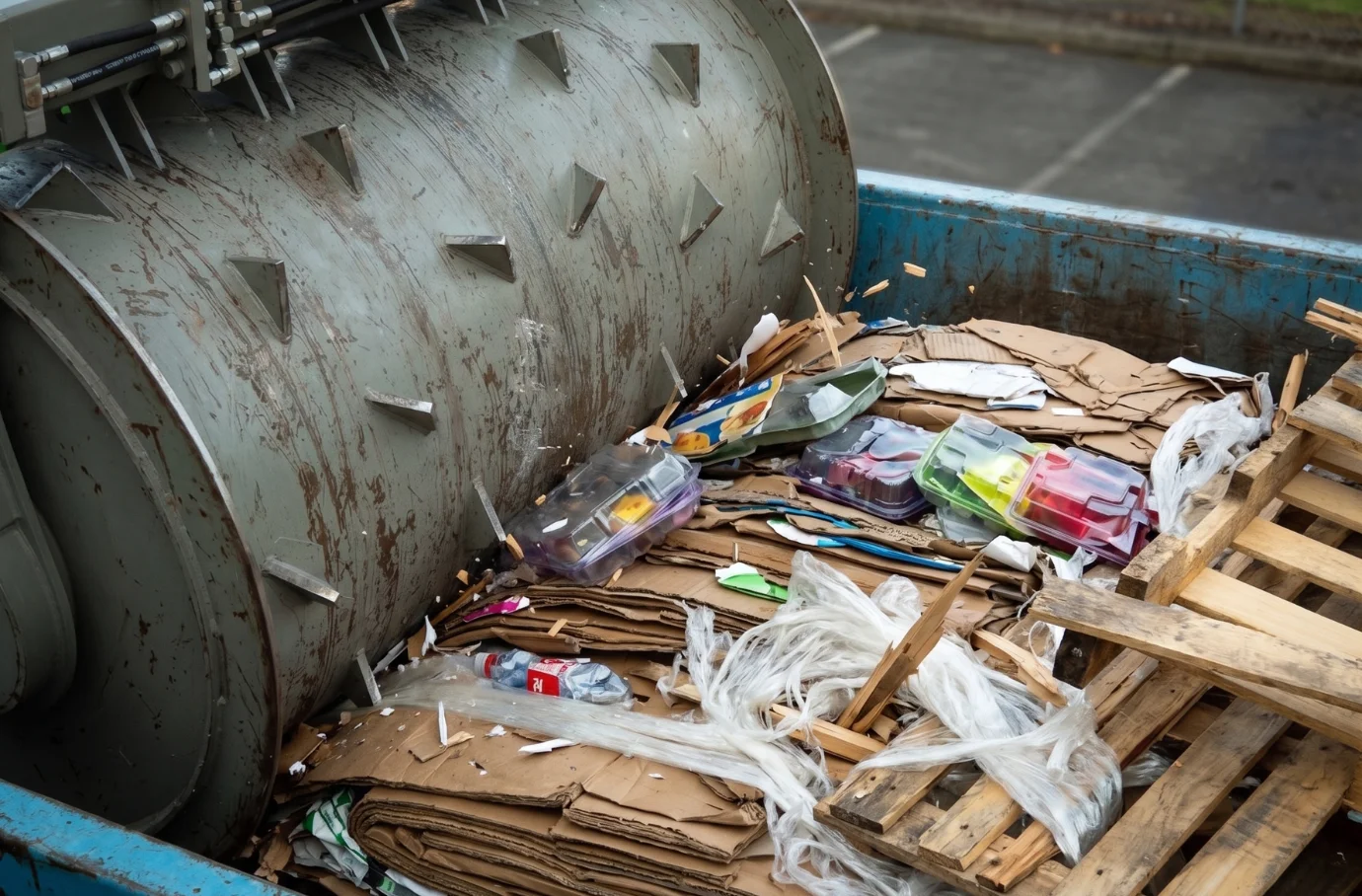
A mobile roller compactor is the precise engineering tool required to correct this payload imbalance. Equipped with a massive, spiked steel drum, the compactor drives directly to the open-top bin and applies multi-ton hydraulic downforce to the waste. It shatters pallets, flattens rigid plastics, and compresses corrugated cardboard into a solid, heavy mat at the bottom of the container. As more waste is added during the shift, the compactor continues to crush it down, layer by layer. The visual volume disappears, replaced by dense, highly concentrated tonnage.
This aggressive compaction strategy allows the facility to pack significantly more material into the same 40-yard footprint. Instead of hauling a bin that weighs 3 tons, the compactor allows you to push the payload up to 8, 10, or even 12 tons. You are finally utilizing the true capacity of the hauling truck. However, this introduces a new operational challenge: the risk of overweight loads. Department of Transportation (DOT) regulations strictly govern the maximum gross vehicle weight (GVW) allowed on highways to prevent infrastructure damage and ensure braking safety.
If a facility over-compacts heavy materials, such as wet organic waste mixed with heavy industrial plastics, and pushes the bin to 15 or 18 tons, the hauler will either refuse to pick it up, or the facility will face catastrophic overweight fines if the truck is pulled over at a weigh station. Therefore, mastering payload maximization requires precision. Experienced operators learn the specific density profiles of their waste streams. A bin full of compacted dry cardboard will hit physical capacity long before it hits the weight limit, whereas a bin of compacted construction debris will max out on weight very quickly.
Modern mobile compactors offer control over this process. The operator can visually assess the density of the load and gauge the resistance against the heavy drum. By establishing a standard operating procedure (SOP) based on the specific material being crushed, facility managers can consistently hit the "sweet spot", packing the bin to 95% of the legal weight limit without crossing the line into overweight penalties. This precision ensures that every single haul is legally compliant and perfectly optimized for maximum financial return.
The Financial Leverage of Dense Tonnage
The financial impact of maximizing your legal payloads is immediate and profound. By compressing 12 tons of waste into a single haul instead of spreading it across four hauls, you eliminate 75% of your fixed transportation costs. In a large-scale industrial operation, hauling fees can easily exceed tens of thousands of dollars annually. Slicing that specific line item by half or more generates immediate liquid capital that drops straight to the bottom line, radically improving the facility's overall profitability metrics.
Furthermore, dense tonnage gives you immense negotiating leverage with your waste hauling and recycling partners. Haulers strongly prefer high-density, predictable loads. A heavy bin is a highly profitable run for their trucks. When you can guarantee that every 40-yard container you release is packed to optimal capacity, you transition from being a standard customer to a premium account. Facility managers can use this data to renegotiate lower pull rates or secure faster, priority service during peak operational seasons.
In the realm of recycling, payload density is even more critical. Material Recovery Facilities (MRFs) pay rebates based on tonnage, but the cost of getting that tonnage to their door eats into your profits. If you ship light, airy cardboard, the freight cost negates the rebate. By utilizing a mobile compactor to pack maximum tonnage into every load, you dilute the freight cost per ton to its absolute minimum. This flips your recycling program from a cost-neutral PR exercise into a highly lucrative, revenue-generating operation.
Ultimately, empty space in a dumpster is the enemy of efficiency. A mobile roller compactor is not merely a tool for keeping the yard clean; it is a heavy-duty financial instrument designed to extract maximum value from your logistics contracts. By violently forcing your waste streams to conform to optimal weight capacities, you take absolute control over your disposal expenditures, transforming a chaotic operational burden into a streamlined, highly profitable process.
Conclusion
Shipping dumpsters filled with uncompacted air is a catastrophic failure of logistics management. You are paying premium transportation rates for trucks to haul empty space, draining your budget and clogging your yard with unnecessary traffic. To correct this, you must aggressively manipulate the physical density of your waste. By deploying a heavy-duty mobile roller compactor, you violently eliminate the structural voids, allowing you to pack up to five times more material into every single 40-yard container.
Packmat’s industrial compaction solutions give you the brute force necessary to push every dumpster right to the edge of its legal highway weight limit. This strategic payload maximization immediately slashes your hauling frequencies, radically reduces your transportation invoices, and turns your waste management program into a model of financial efficiency. Stop paying for empty air and start commanding your logistics budget with uncompromising mechanical power.
Industry References & Data
- Department of Transportation (DOT): Enforces strict Gross Vehicle Weight Ratings (GVWR) and per-axle weight limits for commercial vehicles on federal highways to ensure safe braking distances and prevent pavement destruction.
- Environmental Protection Agency (EPA): Promotes load maximization as a core strategy for reducing the total number of heavy-duty truck trips, directly lowering the greenhouse gas emissions associated with the waste supply chain.
- Federal Highway Administration (FHWA): Provides the technical data and enforcement parameters for the Federal Bridge Gross Weight Formula, which dictates how concentrated heavy payloads must be distributed across a truck's axles.
Frequently Asked Questions
Q: How do we know when the dumpster has reached its maximum legal weight before the hauler arrives?
A: Without an integrated scale system on the dumpster, operators rely on experience and the known density of their specific waste streams. For highly uniform materials like corrugated cardboard, you can generally compact the bin all the way to the rim without exceeding the 10-12 ton limit of a standard roll-off truck. For heavier, mixed materials like wet wood or construction debris, facilities develop SOPs based on historical weight tickets. By matching the visual fill line after compaction with the actual tonnage reported by the hauler on previous pulls, operators can accurately gauge the weight and stop filling before it becomes an overweight liability.
Q: Will packing a 40-yard dumpster to its maximum weight damage the steel container?
A: Standard industrial 40-yard roll-off containers are engineered with heavy-gauge steel and robust structural ribbing designed to hold massive amounts of weight, often exceeding 15 tons of static load. The container itself is rarely the limiting factor; the limitation is the DOT highway weight limits for the truck transporting it. As long as your facility is using commercial-grade dumpsters in good repair, the multi-ton crushing force of the Packmat roller compactor will compress the waste safely inside without bowing the walls or destroying the container's structural integrity.
Q: Does maxing out the payload increase the time it takes for the hauler to empty the bin at the landfill?
A: No, a heavily compacted load actually empties faster and more predictably than a loosely packed one. When the hauler tilts the roll-off bin at the landfill or recycling center, a densely compacted block of waste tends to slide out as a single, cohesive mass. Uncompacted waste, especially loose pallets or jagged plastics, often bridges across the width of the container, getting stuck and forcing the driver to aggressively jerk the truck forward and backward to dislodge the material. Compaction creates a smooth, heavy load that gravity easily pulls out of the bin, saving time at the tipping face.
Easy steps to create a color palette
Lorem ipsum dolor sit amet, consectetur adipiscing elit lobortis arcu enim urna adipiscing praesent velit viverra sit semper lorem eu cursus vel hendrerit elementum morbi curabitur etiam nibh justo, lorem aliquet donec sed sit mi dignissim at ante massa mattis.
- Neque sodales ut etiam sit amet nisl purus non tellus orci ac auctor
- Adipiscing elit ut aliquam purus sit amet viverra suspendisse potent
- Mauris commodo quis imperdiet massa tincidunt nunc pulvinar
- Excepteur sint occaecat cupidatat non proident sunt in culpa qui officia
What is a color palette?
Vitae congue eu consequat ac felis placerat vestibulum lectus mauris ultrices cursus sit amet dictum sit amet justo donec enim diam porttitor lacus luctus accumsan tortor posuere praesent tristique magna sit amet purus gravida quis blandit turpis.
Don’t overspend on growth marketing without good retention rates
At risus viverra adipiscing at in tellus integer feugiat nisl pretium fusce id velit ut tortor sagittis orci a scelerisque purus semper eget at lectus urna duis convallis porta nibh venenatis cras sed felis eget neque laoreet suspendisse interdum consectetur libero id faucibus nisl donec pretium vulputate sapien nec sagittis aliquam nunc lobortis mattis aliquam faucibus purus in.
- Neque sodales ut etiam sit amet nisl purus non tellus orci ac auctor
- Adipiscing elit ut aliquam purus sit amet viverra suspendisse potenti
- Mauris commodo quis imperdiet massa tincidunt nunc pulvinar
- Adipiscing elit ut aliquam purus sit amet viverra suspendisse potenti
What’s the ideal customer retention rate?
Nisi quis eleifend quam adipiscing vitae aliquet bibendum enim facilisis gravida neque euismod in pellentesque massa placerat volutpat lacus laoreet non curabitur gravida odio aenean sed adipiscing diam donec adipiscing tristique risus amet est placerat in egestas erat.
“Lorem ipsum dolor sit amet consectetur adipiscing elit, sed do eiusmod tempor incididunt ut labore et dolore magna aliqua enim ad minim veniam.”
Next steps to increase your customer retention
Eget lorem dolor sed viverra ipsum nunc aliquet bibendum felis donec et odio pellentesque diam volutpat commodo sed egestas aliquam sem fringilla ut morbi tincidunt augue interdum velit euismod eu tincidunt tortor aliquam nulla facilisi aenean sed adipiscing diam donec adipiscing ut lectus arcu bibendum at varius vel pharetra nibh venenatis cras sed felis eget.

Antoine Galdès
For over 10 years, I’ve worked in marketing with a strong focus on cleantech innovation and the evolving challenges shaping the waste and compaction industry. I’m passionate about staying ahead of industry trends, continuously learning, and sharing practical insights that help businesses and municipalities improve their operations more efficiently and sustainably.
.webp)
