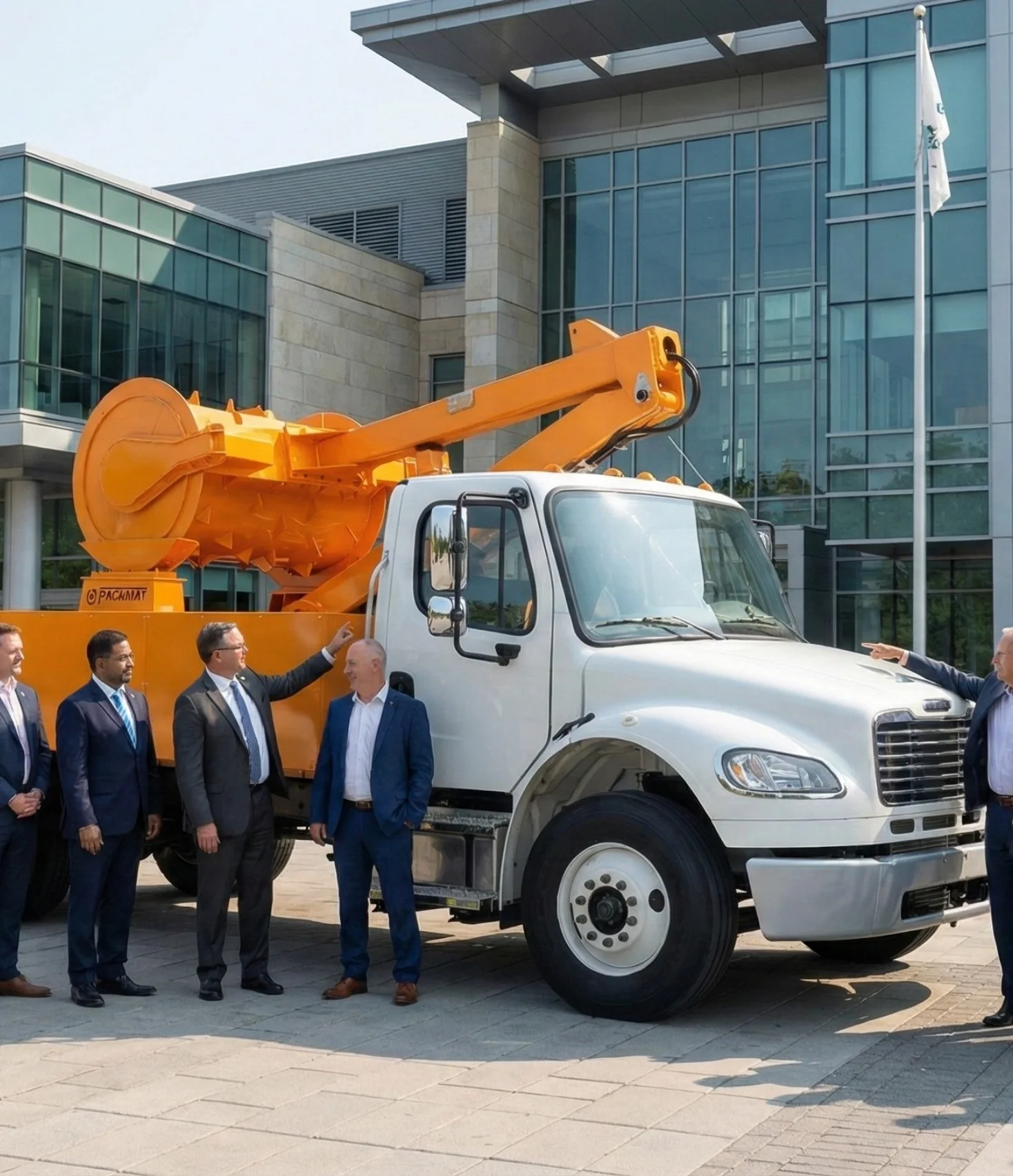
Introducing new technologies into the municipal sector can be an intimidating undertaking. Between navigating complex procurement processes and overcoming institutional inertia, the path to innovation is often fraught with obstacles. This is particularly true in the field of waste management, where traditional methods have been entrenched for decades. However, as cities face increasing pressure to reduce costs, improve efficiency, and meet ambitious sustainability targets, the need for innovative waste management solutions has never been greater. The key to unlocking this potential lies in education. By effectively educating city council members, public works officials, and other key stakeholders on the tangible benefits of new technologies like mobile compaction, municipalities can foster a culture of innovation and pave the way for a more sustainable and cost-effective future.
The Institutional Challenge of Municipal Technology Adoption
Municipal governments are often slow to adopt new technologies, and for structurally sound reasons. They are accountable to taxpayers and must exercise extreme prudence with public funds. They also bear the responsibility of ensuring the reliability and safety of essential public services. Consequently, they tend to be risk-averse, preferring to stick to proven, established methods. A 2023 study on technology adoption in local governments underlined that a lack of knowledge and awareness is a major barrier to innovation [1]. This inertia is often compounded by limited departmental budgets, aging infrastructures, and a workforce that may lack the specialized skills necessary to implement and manage modern technologies effectively.
In the context of waste management, this institutional reluctance leads to a dependence on outdated and inefficient practices. Many municipalities continue to rely on traditional fixed-route collection and stationary compactors, even when more cost-effective, environmentally sound alternatives are readily available. The result is consistently higher costs for taxpayers, a larger environmental footprint (due to unnecessary fuel consumption), and a missed opportunity to improve the overall quality of life and cleanliness for citizens. Innovation is perceived as an unnecessary cost rather than a necessary investment in future solvency.
The Power of Education in Driving Organizational Change
Overcoming these profound institutional obstacles requires a concerted effort to educate municipal leaders on the measurable value of innovation. This education must move beyond merely presenting technical specifications and static cost-benefit analyses. It must tell a compelling, verifiable story that resonates with the core values and priorities of public service: fiscal responsibility, environmental stewardship, and community welfare. This can be achieved through various targeted strategies:
- Live Demonstrations and Pilot Programs: Seeing is believing. By offering municipal leaders the chance to observe new technologies in action, innovation can be demystified and its concrete benefits demonstrated immediately. A pilot program is particularly effective for gaining early support, as it allows the municipality to test the technology in a low-risk, measurable environment before committing to a long-term contract. This approach builds internal champions.
- Case Studies and Peer Testimonials: Learning from the experiences of other municipalities is a powerful way to build confidence in a new technology. Compiling detailed case studies and testimonials from similar cities that have successfully implemented the innovation can provide valuable insights, benchmarked data, and help neutralize common concerns or objections regarding reliability, legality, and operational integration. Peer validation is often more persuasive than vendor claims.
- Hands-on Workshops and Technical Training Sessions: Offering practical training for public works directors, fleet managers, and front-line employees helps develop the necessary skills and knowledge to implement and manage new technologies. This training also fosters a critical sense of ownership and buy-in among the staff responsible for the daily operation of the innovation, ensuring successful integration and preventing resistance from the ground up.
- Engagement of Key Stakeholders and Community Outreach: Involving the community and business leaders in the decision-making process helps build external support for new technologies and ensures the solutions meet the specific needs of citizens. This can include public forums, transparency reporting, and educational campaigns. A study on stakeholder participation in sustainable waste management underscores the critical importance of involving the public and municipal managers in the decision-making process to ensure long-term success [2].
Developing the Educational Toolkit for Mobile Compaction
To successfully introduce mobile compaction, the educational campaign must address the specific concerns of three distinct municipal audiences.
- The City Council/Finance Committee (The Budget Holders): This audience requires data on fiscal return on investment (ROI). The focus must be on quantifiable savings metrics: a documented reduction in Cost Per Ton (CPT), lower fuel consumption (reducing the fleet budget), and the deferred capital expenditure achieved by postponing the purchase of new garbage trucks due to maximized payload.
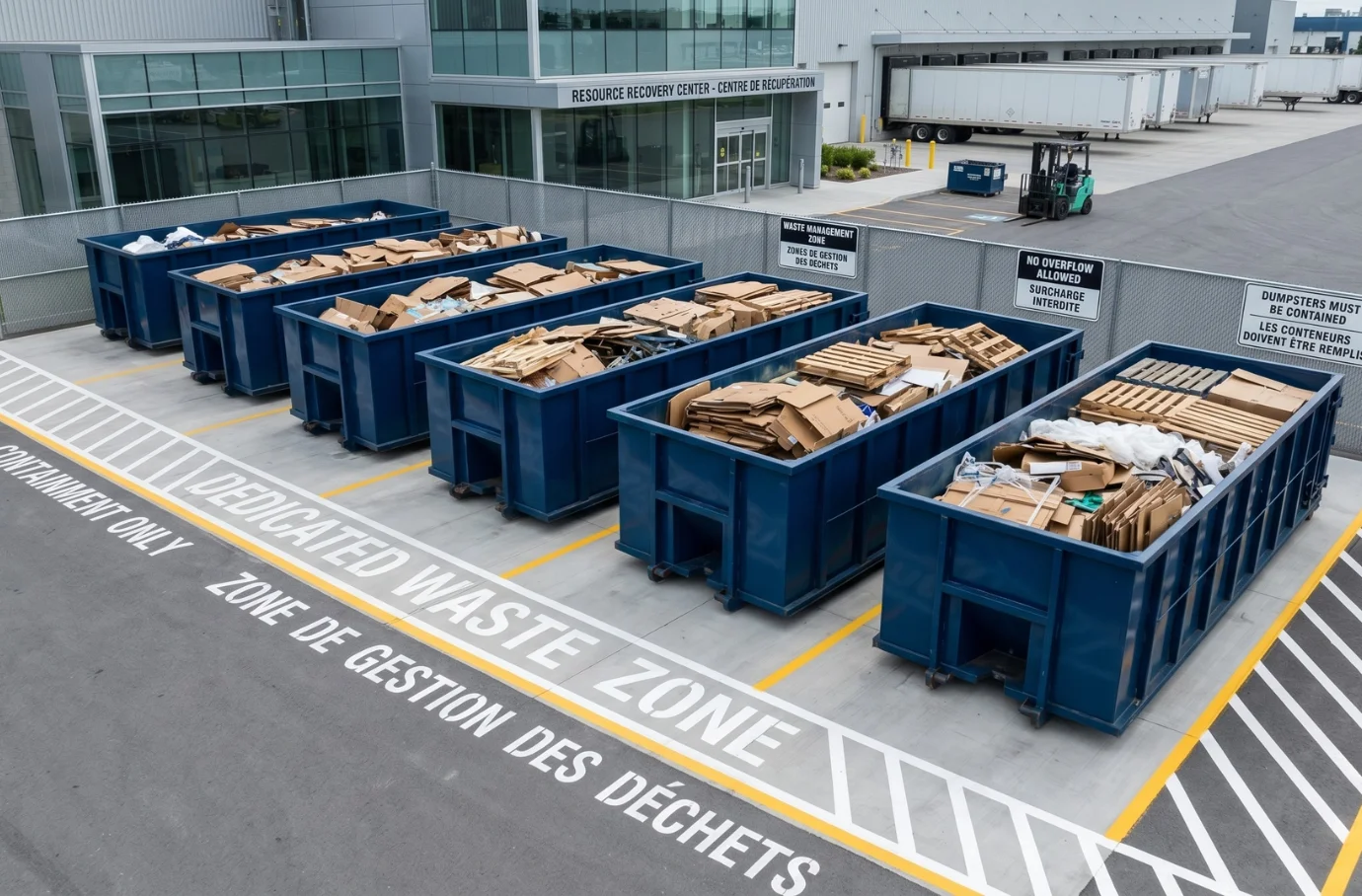
- Public Works/Operations Managers (The Implementers): This audience prioritizes operational reliability and safety. Education must focus on logistical benefits: reduced dumpster overflow (improving site safety), minimized truck traffic (reducing wear and tear), and how real-time data from compaction can be integrated into existing GIS route optimization software.
- The Public/Taxpayers (The Beneficiaries): This audience cares about service quality and environmental impact. The message should focus on community value: cleaner public spaces, reduced carbon footprint (fewer trucks on the road), and how the money saved is being reallocated to other priority services (e.g., public safety or infrastructure).
Case Study in Action: Educating a Skeptical City Council on Mobile Compaction
Consider a mid-sized city facing escalating waste management costs driven by high tipping fees and aging collection infrastructure. A mobile compaction provider seeks to introduce its services but meets skepticism from the City Council, primarily concerned with the initial contract cost and the unfamiliarity of the technology. To overcome this resistance, the provider develops a comprehensive education campaign.
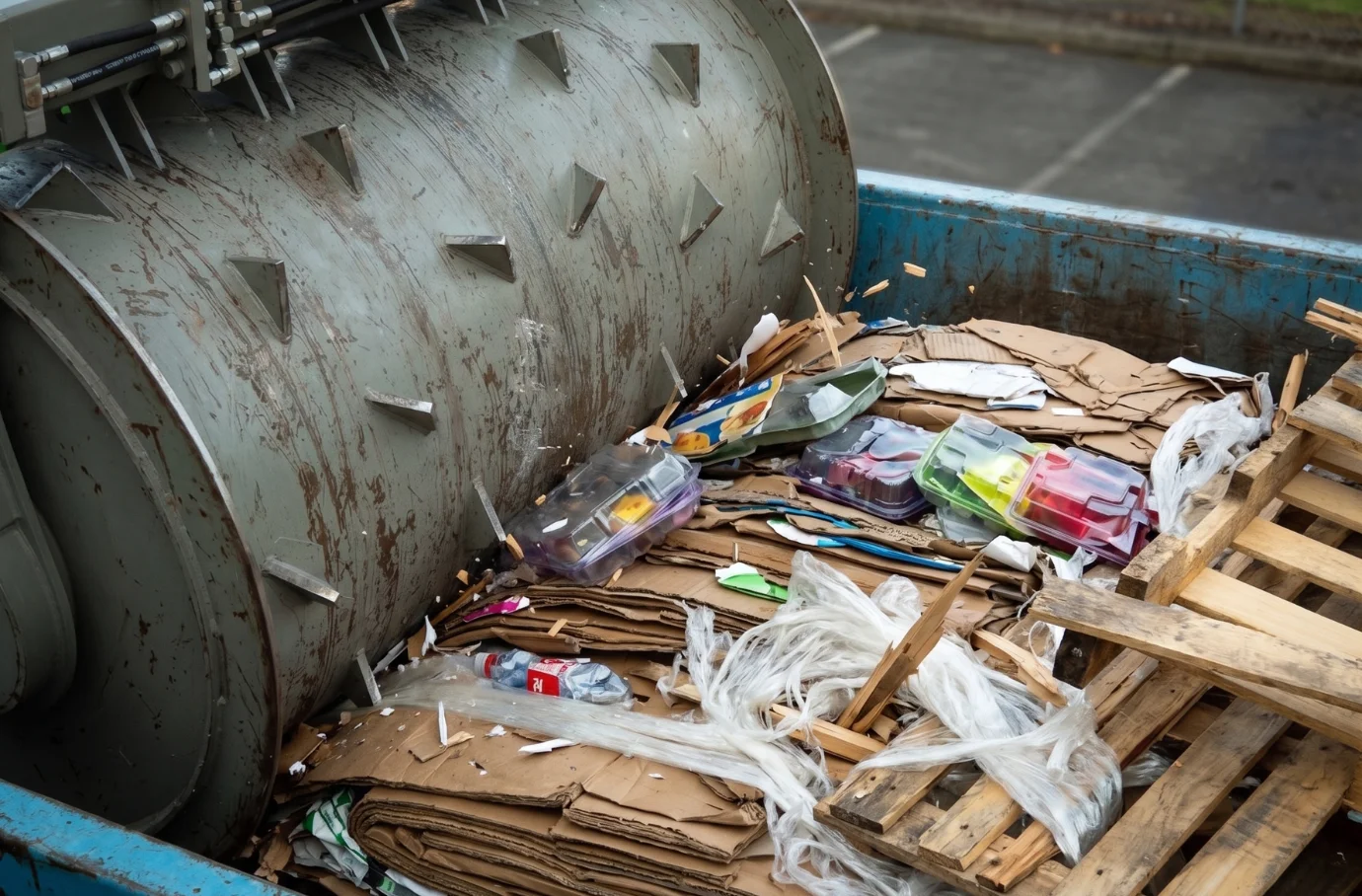
The campaign begins with a pro-bono demonstration for the Public Works Department, showcasing the volume reduction in a controlled environment. The successful demonstration convinces the Public Works Director, who becomes the innovation's internal champion. Next, the provider works with the Director to develop a measured pilot program focused on one of the city's highest-cost areas, the downtown commercial district, where uncompacted cardboard waste is an ongoing problem. The pilot is a resounding success: businesses in the area report significant savings on their waste bills and a notable improvement in alleyway cleanliness and aesthetics. The provider then presents the pilot results to the City Council, providing granular data on the 4:1 volume reduction achieved and testimonials from participating businesses detailing the ROI. Impressed by the verifiable savings and the immediate quality-of-life improvement, the Council votes to approve a city-wide contract for mobile compaction services. The EPA has also underlined the critical importance of community engagement and education for achieving aspirational goals, such as zero-waste targets, validating this strategic approach [3].
Conclusion: The Foundation for a Resilient Future
Education is the cornerstone of innovation in the municipal sector. By dedicating the time and resources to educate municipal leaders and other key stakeholders on the verifiable advantages of new technologies, we can effectively overcome the deep-seated obstacles to adoption and create a more sustainable and fiscally solvent future for our communities. Facing the complex challenges of the 21st century, from climate change mitigation to rapid urbanization, the need for innovative solutions has never been greater. By prioritizing education and fostering a culture of data-driven innovation, we can empower our cities to meet these challenges head-on and build a better, more efficient future for all taxpayers and citizens.
References
[1] David, A. (2023). Understanding Local Government Digital Technology Adoption and Use. *Sustainability*, 15(12), 9645. https://doi.org/10.3390/su15129645
[2] Joseph, K. (2006). Stakeholder participation for sustainable waste management. *Habitat International*, 30(4), 863-871. https://doi.org/10.1016/j.habitatint.2005.09.009
[3] U.S. Environmental Protection Agency. (2025). How Communities Have Defined Zero Waste. Retrieved from https://www.epa.gov/transforming-waste-tool/how-communities-define
Easy steps to create a color palette
Lorem ipsum dolor sit amet, consectetur adipiscing elit lobortis arcu enim urna adipiscing praesent velit viverra sit semper lorem eu cursus vel hendrerit elementum morbi curabitur etiam nibh justo, lorem aliquet donec sed sit mi dignissim at ante massa mattis.
- Neque sodales ut etiam sit amet nisl purus non tellus orci ac auctor
- Adipiscing elit ut aliquam purus sit amet viverra suspendisse potent
- Mauris commodo quis imperdiet massa tincidunt nunc pulvinar
- Excepteur sint occaecat cupidatat non proident sunt in culpa qui officia
What is a color palette?
Vitae congue eu consequat ac felis placerat vestibulum lectus mauris ultrices cursus sit amet dictum sit amet justo donec enim diam porttitor lacus luctus accumsan tortor posuere praesent tristique magna sit amet purus gravida quis blandit turpis.
Don’t overspend on growth marketing without good retention rates
At risus viverra adipiscing at in tellus integer feugiat nisl pretium fusce id velit ut tortor sagittis orci a scelerisque purus semper eget at lectus urna duis convallis porta nibh venenatis cras sed felis eget neque laoreet suspendisse interdum consectetur libero id faucibus nisl donec pretium vulputate sapien nec sagittis aliquam nunc lobortis mattis aliquam faucibus purus in.
- Neque sodales ut etiam sit amet nisl purus non tellus orci ac auctor
- Adipiscing elit ut aliquam purus sit amet viverra suspendisse potenti
- Mauris commodo quis imperdiet massa tincidunt nunc pulvinar
- Adipiscing elit ut aliquam purus sit amet viverra suspendisse potenti
What’s the ideal customer retention rate?
Nisi quis eleifend quam adipiscing vitae aliquet bibendum enim facilisis gravida neque euismod in pellentesque massa placerat volutpat lacus laoreet non curabitur gravida odio aenean sed adipiscing diam donec adipiscing tristique risus amet est placerat in egestas erat.
“Lorem ipsum dolor sit amet consectetur adipiscing elit, sed do eiusmod tempor incididunt ut labore et dolore magna aliqua enim ad minim veniam.”
Next steps to increase your customer retention
Eget lorem dolor sed viverra ipsum nunc aliquet bibendum felis donec et odio pellentesque diam volutpat commodo sed egestas aliquam sem fringilla ut morbi tincidunt augue interdum velit euismod eu tincidunt tortor aliquam nulla facilisi aenean sed adipiscing diam donec adipiscing ut lectus arcu bibendum at varius vel pharetra nibh venenatis cras sed felis eget.

Antoine Galdès
For over 10 years, I’ve worked in marketing with a strong focus on cleantech innovation and the evolving challenges shaping the waste and compaction industry. I’m passionate about staying ahead of industry trends, continuously learning, and sharing practical insights that help businesses and municipalities improve their operations more efficiently and sustainably.
.webp)
